Tuesday, 11 January 2022

'Pancreatic cancer is stealthy. Strikes with little warning'


By the time the ailing Nigerian, Sun Igho, could reach India, he had lost precious time. The cancer was no more operable. The only thing left for Dr Patta to do was to try and win him a while more to live.


By Shali Ittaman

New Delhi: It had probably not dawned on the Indian embassy officer in Nigeria that the clock would be racing away from someone with pancreatic cancer. So, despite being repeatedly petitioned to let Sun Igho go to India for his treatment, she took a month to say yes.

By then, Igho, 74, who doesn’t want to give his real name here, was critically ill! 

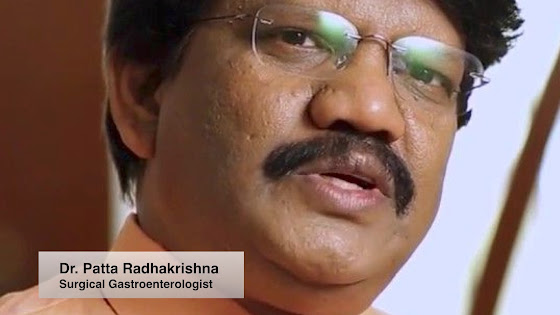
“Pancreatic cancer is an unforgiving disease,” says his doctor, Patta Radhakrishna, the lead surgical gastroenterologist at SRM Institute of Medical Sciences in Chennai, India. “Even those who receive treatment early, don’t always survive for long!” 

According to the data on pancreatic cancer released by the American Cancer Society in 2021, only 11 out of every 100 pancreatic cancer patients get an early diagnosis. Of the 11, only 4 manage to live for 5 years, despite being put through surgery. 
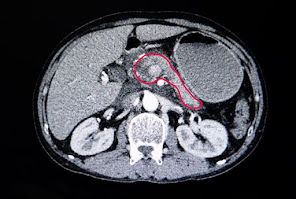
Pancreatic cancer erupts on the pancreas, an organ that secretes insulin, the hormone needed by the body to process sugar. It is commonly spoken of during any discussion on diabetes. 

The pancreas is shaped like a smoking pipe, and is wedged between the stomach and the spine, an area hard to reach. Next to it, are also organs such as the liver, the spleen and the small intestine.

“The problem with pancreatic cancer is that it can’t be diagnosed easily. It also swiftly leeches on to the vital organs in the proximity, at which point little can be done for the patient,” says Dr Patta.

Igho’s family comes from the Edo State in Nigeria, a place where several accomplished doctors live and work. Igho’s son, Dr Elish (pseudonym), a general practitioner working in Australia, thinks highly of them. However, he does rue the state of the hospitals and medical infra in Nigeria — part of the reason why he persuaded his family to move the senior Igho to Chennai, which is home to several high-end hospitals such as SRM. 

Dr Elish suspects his father may have carried the cancer for months before it was detected. “I did notice that he was losing weight — a condition one normally associates with anyone having long-term diabetes. It did not cross our mind that cancer, and not his diabetes, was causing it.”

So, by the time the cancer was called out, and the travel to India confirmed, the ground for treatment had more or less slipped!

“The patient was not in a position to be operated on for the cancer. The best we could do was to put in a stent to drain the body’s digestive juice being stop-corked by the cancer, and to prevent associate conditions such as jaundice from smarting,” says Dr Patta, rather euphemistically. 

“What we did, essentially, was buy him additional months…!” 

Post-script

Sun Igho is now back home in Nigeria, where he will live out the rest of his time with family. “We have to be practical; and accept what is coming,” Dr Elish says of his father.


One thing comes out clearly from the story: Pancreatic cancer is lethal because it can masquerade well! It can appear in the form of jaundice, abdominal pain, back pain, bloating, nausea, vomiting, weight loss, appetite loss, and runaway diabetics. However, the common man often gets tricked into believing that they signal other, less consequential, diseases.


“We, therefore, advise people to let the doctor be the judge of it,” says Dr Patta. “Time is of essence...do not wait; do not hesitate. See a doctor at first hint!”


(Shali Ittaman was formerly the editor at Times of India, at Hindustan Times and at Press Trust of India. Copy written for the Features Division, Guru Daksha Consultancy Services).

Contact Person : Dr. Patta Radhakrishna

Address :SIMS Hospital - Vadapalani, Chennai

(Next to Vadapalani Metro Station)

No.1, Jawaharlal Nehru Salai

(100 Feet Road), Vadapalani

Chennai – 600 026, Tamilnadu, India

Call Us : +(91)-9790924876

Email : patta_radhakrishna@yahoo.co.in

Monday, 1 March 2021

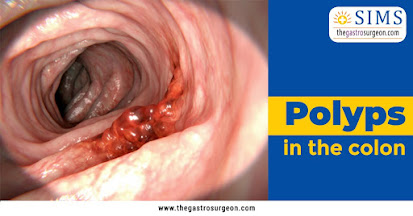
Polyps in the colon

An overgrowth of cells in the lining of the colon results in the formation of polyps in the colon. Even though they are mostly harmless, some colon polyps have the tendency to develop into colon cancer which can be fatal when found in its later stages. Polyps can develop in any area of the colon where the growth and division of new cells goes unregulated. Being overweight, having a habit of smoking, having a family history of colon polyps and increasing age can increase your risk to get polyps in the colon.

Symptoms

Some of the symptoms that may be suggestive of colonic polyps are:

  •     Blood in the stool
  •     Pain in the lower abdomen
  •     Persistent diarrhea, or constipation
  •     Nausea and vomiting

Treatment

Surgical removal of the polyp is the best line of treatment for colonic polyps. Small polyps can be removed during a colonoscopy while large ones would require laparoscopic surgery. Both are minimally invasive procedures that require very less downtime. The polyp tissues which are removed should undergo tissue analysis to rule out cancer. Treatment of colon polyps should not be avoided as it is a preventive measure against the development of colon cancer.


Blog Reviewed By: Dr Patta Radhakrishna
Mail Us: gastrosurgeonchennai@gmail.com

Friday, 11 December 2020

Inguinal Hernia

Inguinal Hernia is a common condition where the contents of the abdomen like intestines or fat, bulge through a weak area in the lower abdominal wall into the groin area. This condition is not life-threatening but it may cause pain while lifting, bending, straining with a bowel movement, or coughing. Some of the symptoms that may suggest that you have Inguinal Hernia are:

  •     A bulge in the groin area that disappears while lying down
  •     Pain when coughing, exercising, or bending over
  •     Weakness, heaviness or burning sensation
  •     Swollen scrotum in men

Weak areas in the abdominal and groin muscles are responsible for hernias to occur. When extra pressure falls on this part of the body, it can eventually cause hernia. The following factors increases your chance to develop this condition:

  •     If the condition runs in the family
  •     Having a previous episode of inguinal hernia
  •     Men are at more risk than women
  •     If your birth is premature
  •     Being obese
  •     Pregnancy
  •     Having cystic fibrosis, chronic cough or constipation

Inguinal hernias that increase in size, cause symptoms, or become incarcerated must be treated immediately. In infants and children, inguinal hernias should be treated as soon as it is detected to prevent incarceration. Surgery is the primary treatment for this condition and there are several options of open and laparoscopic surgeries are available now. Inguinal hernias can be treated successfully with quick recovery when done by an expert gastro surgeon.


Blog Reviewed By: Dr Patta Radhakrishna
Mail Us: gastrosurgeonchennai@gmail.com

Tuesday, 29 September 2020

Pancreatic Cancer

Pancreas is an important endocrine organ which is located behind the stomach. It plays a vital roe in the process of digestion as it produces ‘enzymes’. The enzymes help the body in digestion of fats, proteins and carbohydrates.

What is Pancreatic Cancer?

An abnormal growth of the cells in the pancreas can lead to pancreatic cancer. It occurs within the pancreas tissues and because of this, it can be a little difficult to detect pancreatic cancer. In most cases, the patients do not show any serious symptoms, but just some subtle signs that include:

  •  Pain in the stomach
  •  Loss of appetite
  •  Blood clots
  •  Unexplained loss in weight
  •  Depression
  •  Jaundice

What are the Causes of Pancreatic Cancer?

The exact reason that can lead to pancreatic cancer is still unknown, however it has been established that when cells in the pancreas start to grow at an unusual rate, it can lead to cancer of the pancreas.

All cells have a life circle and the grow and expire in proportion, but sometimes over production of cells makes the old and damaged cells take over the healthy ones leading to infections and thus cancer.

What are the Treatments Available for Pancreatic Cancer?

A great deal of the treatment depends on the stage of cancer as well as the condition the patient is in. However, every treatment has two main objectives:

  • Getting rid of the cells that are cancerous
  • Preventing the spread of this disease

The available options for treatment are:

  • Radiation Therapy

X-rays and high-energy beams are used to kill the cancerous cells, and stop their spread to the rest of the body.

  • Chemotherapy

Using cancer-killing medications the future growth of cells can be contained.

  • Targeted Therapy

Certain drugs that are specially designed to destroy only the cancer cells, work very well without harming the healthy cells.

  • Surgery

Though a surgery is generally taken as the last option, it depends on the stage at which the cancer has reached. With a surgical procedure a part or parts or the whole pancreas may be removed. There are many factors that your doctor and surgeon will bear in mind before advising a surgery.

Is Pancreatic Cancer Curable?

Yes, it is. However, it largely depends on the stage at which the cancer was detected. An early diagnosis can prove very beneficial for the patient, as with time and age cancer becomes very complex to treat and may return even after a surgery.


Blog Reviewed By: Dr Patta Radhakrishna
Mail Us: gastrosurgeonchennai@gmail.com

Tuesday, 7 July 2020

What causes gastrointestinal perforation?

Gastrointestinal Perforation, a.k.a., Ruptured Bowel, a.k.a., Discontinuity of the Bowel Wall, is a potentially devastating medical condition where a hole or rupture forms in the wall of the gastrointestinal tract, which includes the large and small intestines; the stomach and the esophagus. 
Symptoms include tenderness to touch and severe constant pain. Increased breathing and heart rate, acute mental confusion, fever and sepsis may also occur.


Causes of the condition:
  1. Ischemia (inadequate blood supply): This can be Bowel Obstruction or Necrosis. Bowel obstruction is where enlargement of the bowel walls lead to the reduced blood supply and Necrosis; which is the death of cells due to lack of blood supply. Both of which can lead to rupture or perforation. This is more common among the elderly, specifically, among those with clotting disorders, coronary disease and a history of smoking.
  2. Infection: 2 main causes are: Appendicitis, where the finger-shaped pouch projecting into the colon on the lower right side of the abdomen becomes inflamed; and Diverticulitis, where the small pouches that form on the side of the intestines become inflamed. It is believed that both these are due to entrapment of fecal matter, causing internal pressure and infection leading to perforation.
  3. Erosive Diseases: These are those that wear out the body structure over a period of time in many ways, like ulcerous disease or invasive tumours. An ulcer directly damages the bowel wall due to infection, overproduction of acid or lack of acid protective mechanism. Tumours can form on the entire wall of the bowel leading to perforation.
  4. Physical: This can be either external or internal trauma. External or mechanical injury can be caused by either blunt or penetrating trauma to abdomen during say, an accident or a fight. Internal are usually medical in nature, often caused by instrumentation, like during an endoscopy. 

This is a life-threatening medical emergency requiring immediate medical care, and early diagnosis and treatment lead to highly improved chances of recovery.


Blog Reviewed By: Dr Patta Radhakrishna
Mail Us: gastrosurgeonchennai@gmail.com

Monday, 27 April 2020

Medical care & Management of Appendicitis

A small-pouch shaped organ on the right side of the abdomen that is connected to the colon is called an appendix. Usually, appendicitis is caused due to the swelling of the appendix, which will be inflamed and pus-filled. A stomach infection, blockage in the lining of the appendix could lead to appendicitis. The infection or the bacteria would multiply quickly, causing inflammation and pus in the appendix. Timely treatment is a must, or else it would rupture and lead to further complications.

 Appendicitis

Appendectomy 

An appendectomy is a process of surgically removing the appendix. This is considered to be a common procedure performed under emergencies. It is considered to be an emergency as the infected appendix might rupture or burst, allowing the infectious contents to enter the abdominal cavity. This surgery can help prevent complications.

Abdominal testing, blood test, urine test, and CT or ultrasound would be used to diagnose the issue. Sometimes, doctors would prescribe certain medications that could reduce the infection and pain, but severe conditions cannot be controlled with medications; hence, appendectomy is highly recommended. 

Procedure 

Using keyhole surgery or laparoscopy, doctors would perform an appendectomy. The procedure is less invasive than open surgery and performed under general anesthesia. Tiny incisions would be made in the abdomen into which a special tool called a port would be inserted. Carbon dioxide would be pumped through this port so that the stomach would get inflated and make the organs in the abdomen easier to examine. A laparoscope would be inserted through one of the incisions, and using other tools; the doctor would identify the position and remove the appendix. Sterile fluid will be instilled to remove the remaining infectious materials. The surgical instruments would then be removed so that the carbon dioxide would escape, and then the doctor would close the incisions with sutures or bandages. 

Recovery time 

Based on the severity of the infection, the recovery period would vary for each individual who has undergone an appendectomy. If the appendix has ruptured, then the hospital stay would be longer. Specific steps, when followed, help in faster recovery such as:
  • Avoid driving 
  • Avoid alcohol 
  • Follow a healthy diet plan and drink plenty of fluids 
  • Refrain from lifting heavy objects at least for 10-14 days post-surgery
  • Wash the hands thoroughly after touching the area close to an incision site 
  • Follow the instructions given by the doctor divinely 
  • Check the bandages to make sure there are no infections
  • Avoid wearing tight clothes 
  • Take pain killers and other medications as prescribed by the surgeon
  • Advised to hold a pillow over the tummy while sneezing or coughing to minimize the strain on the incision site


If there are any issues after the surgery, it is suggested to have an immediate follow-up. Follow-up care is a must as it is the central part of the treatment and safety.


Blog Reviewed By: Dr Patta Radhakrishna
Mail Us: gastrosurgeonchennai@gmail.com

Thursday, 6 February 2020

The link between obesity & stomach cancer

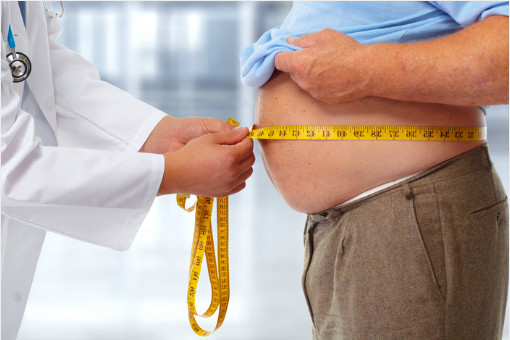
Obese would be titled for people whose body mass index is greater than 30. Excess fat and being overweight can be termed as obesity. This excess of body fat can be harmful and cause a lot of health issues and complications as well. 

 Obesity

The most common causes of obesity would be too much intake of food, alcohol, certain medications, lack of sleep, and no physical activity. These could cause certain types of cancer, and women are at higher risk of developing cancers of the endometrium, breast, colon, kidney, and gallbladder.

Obesity & stomach cancer

Stomach cancer is considered to be a malignant ulcer in the lining of the stomach. It is also known as gastric cancer. One of the causes that leads to stomach cancer is the excess of fat or obesity. The chronic inflammation associated with obesity increases the risk of gastric cancer. Obesity can produce more insulin and leptin, which would lead to increased cell proliferation, promoting the growth of cancerous cells. People who are obese are more prone to develop H. pylori or Helicobacter pylori infection, which is considered to be a risk factor for peptic and gastric cancer. And the abdominal fat can be a risk factor as it produces oesophageal reflux, which in turn causes gastric cancer. 

Medical care 

Obesity would become a hindrance to a lot of treatments or treatment protocols. It affects the dosage of chemotherapy. Obesity is just one factor, but it layers on top of all the other factors that would trigger stomach cancer. A healthy lifestyle and diet can be the best way to prevent cancer, plus lowering the risk of obesity and other complications. 

Gastroscopy, CT scan, and upper GI series would be used to diagnose stomach cancer. Gastric surgery can be performed to help treat obesity when other treatments and methods fail. Usually, gastric cancer would require surgery in the form of partial or total gastrectomy or bypass.

 Stomach Cancer

Even though there are various methods and treatments for gastric cancer, it is better to prevent the issue initially. It is always suggested to maintain a proper diet to stay fit and healthy.


Blog Reviewed By: Dr Patta Radhakrishna
Mail Us: gastrosurgeonchennai@gmail.com

Wednesday, 4 December 2019

Signs and symptoms of ulcerative colitis

What is ulcerative colitis?
Ulcerative colitis (UC) is a long-standing disease that is also known as inflammatory bowel disease (IBD). It is a group of diseases that affects your large intestine. It occurs when the colon of your large intestine, rectum, or both gets inflamed.

 Ulcerative Colitis

Usually, it starts from the rectum and leads to upward direction. The inflammation occurs in the colon causes your bowel to move rapidly and empty frequently. The ulcer causes the bleeding and discharge of pus and mucus.

 Symptoms
The signs and symptoms may vary, depending on the seriousness of inflammation of infected area such as:   
  • Mouth ulcers
  • Red and swollen skin
  • Irritated red eyes
  • Shortness of breath
  • Irregular heart beat
  • Loss of weight
  • Diarrhea with the discharge of blood, mucus or pus
  • Abdominal pain and cramping   
  • Fatigue
  • High Fever
  • Urgency to defecate

Types
There are five types of ulcerative colitis:
1. Ulcerative proctitis - Inflammation occurs to the rectum of the large intestine, and small amount of bleeding passing in your stool is the only sign of the disease. 
2. Proctosigmoiditis - Inflammation occurs in sigmoid colon and rectum. Signs and symptoms are abdominal cramps, bloody diarrhea, and an inability to move the bowels instead of having urge. 
3. Left-sided colitis. Inflammation starts from rectum and go up to the sigmoid and descending colon causes abdominal cramping, bloody diarrhea, and weight loss.
4. Pancolitis - Often affects the colon entirely and causes intense bloody diarrhea, fatigue and notable weight loss.
5. Acute severe ulcerative colitis - This form of colitis found rarely in patients that infect the entire colon causes profuse diarrhea, severe pain, fever, bleeding and inability to eat.
When to see a doctor
Get in touch with your doctor if you observe a constant change in your bowel habit:
  • Long-standing diarrhea that doesn't cured by the medications
  • Abdominal pain
  • Blood in your stool
  • Long lasting fever 

 Ulcerative Colitis

Causes

Till this day, the cause of the ulcerative colitis remains unknown. 
Organizations such as the SIMS hospital can provide resources and support to help you live a full and healthy life with ulcerative colitis.


Blog Reviewed By: Dr Patta Radhakrishna
Mail Us: gastrosurgeonchennai@gmail.com

Thursday, 24 October 2019

What can I expect after Gastric Sleeve Surgery?

Obesity, "the state of being grossy fat or overweight", is extremely prevalent in the developed countries of the West, especially among the young. The developing countries are not very far behind;, particularly in the sprawling metro cities. Lack of exercise and bad diet are among the many reasons attributed to its spread.

Gastric Sleeve Surgery chennai

Sometimes, among the extreme cases, surgical measures have to be adopted. It is in this scenario that Gastric Sleeve Weight Loss Surgery is advised.

What exactly Gastric Sleeve Surgery?

The simplest explanation is: it reduces the physical size of the patient's stomach. Here, surgeons surgically remove part of the stomach and stitch together the remaining portion in a tubular sleeve like a sack, and hence the name "Gastric Sleeve Surgery." It takes two to three days and is permanent.

What can one expect after the surgery?

  • After the surgery, you will be able to drink only clear fluid for 2-3 days and, then move on to mashed food products and protein mixes for a month. You will then be able to take normal diet but in very small quantity.
  • Expect to lose a lot of weight and medical conditions related to weight will improve. How much that will be will vary from person to person..
  • Avoid eating high sugar foods like soda and fruit juice.
  • Tiredness may be present for a month and will soon disappear. 
contact us


Blog Reviewed By: Dr Patta Radhakrishna
Mail Us: gastrosurgeonchennai@gmail.com

Wednesday, 23 October 2019

What To Know About Chronic Pancreatitis?

The pancreas is the most hardworking organ in the human body. It plays a significant role in your digestion process. It makes enzymes that help your digestive process and insulin to keep your blood sugar levels under control. Any inflammation, fibrosis, or scarring of the pancreas will develop a condition called pancreatitis. 


What is pancreatitis?


Pancreatitis is a disease in which the pancreas becomes inflamed or damaged. This is when the digestive enzymes are activated before they are released into the small intestine and begin attacking the pancreas. Pancreatitis can become a chronic problem. Treatment for this condition varies depending on whether your pancreatitis is acute or chronic. 

Acute pancreatitis is a sudden inflammation of your pancreas, which can be very painful. You may have nausea, vomiting, and fever. If acute pancreatitis slowly gets worse,It may lead to chronic pancreatitis.

What is chronic pancreatitis?


Chronic pancreatitis is an irreversible and progressive disorder of the pancreas caused by an inflammation that constantly occurs over the long haul. Chronic pancreatitis can create permanent damage to the pancreas. Scar tissue develops from this long-term inflammation.

What causes chronic pancreatitis?


If you have chronic pancreatitis, the digestive enzymes that would normally travel by tubes inside your pancreas and empty into your upper intestine, become trapped inside your pancreas, this causes pain and scarring. The trapped enzymes slowly destroy your pancreas.

The most common cause of chronic pancreatitis is drinking too much alcohol over many years. 

 Other causes include:
  • An attack of acute pancreatitis that damages your pancreatic ducts
  • A blockage of the main pancreatic duct caused by cancer 
  • Certain autoimmune disorders
  • Cystic fibrosis
  • Hereditary diseases of the pancreas
  • Smoking
  • Unknown cause in some cases 

How to diagnose?


If pancreatitis is suspected, It is best diagnosed with tests that can evaluate the structure of the pancreas via radiography. Your doctor will likely use a combination of blood tests and imaging studies to make a diagnosis. 

Computed tomography is the best imaging modality for diagnosis. Your doctor may recommend a variety of diagnostic tests such as; Transabdominal ultrasound, Endoscopic ultrasound, and Magnetic resonance cholangiopancreatography (MRCP).

How is chronic pancreatitis treated?


Day-to-day treatment includes: 
  • Pain medicine
  • Pancreatic enzyme supplements with every meal
  • Insulin, if you develop diabetes
  • Vitamin supplements, if needed
For acute pancreatitis or a flare-up, you may need to stay in the hospital for treatment. Your exact treatment will depend on the cause of your chronic pancreatitis, how severe the symptoms are, and your physical condition. 

Acute treatments may include:
  • Feeding through a tube through the nose into the stomach
  • Diet
  • IV fluids
  • Pain medicines
  • Surgery 

You can control pancreatitis with a healthy lifestyle and medical treatment when necessary. Organizations such as the SIMS hospital can provide resources and support to help you live a full and healthy life with pancreatitis.

However, if any of your symptoms reappear, speak with your doctor as soon as possible.


Blog Reviewed By: Dr Patta Radhakrishna
Mail Us: gastrosurgeonchennai@gmail.com

Wednesday, 9 October 2019

Post-Surgery Care After Hernia Surgery

Hernia repair surgery is commonly performed either through a laparoscope or through traditional open surgery techniques. Modern hernia surgery repair techniques are less invasive. The recovery rates are faster than the conventional methods with the least discomfort, making less recurrence rate. The patient can expect a faster discharge from the hospital.

hernia repair surgery in chennai

The recovery period after hernia surgery:


After hernia repair surgery, the patient is kept in the postanesthesia care unit (PACU) for close monitoring. They will remain there until they are stable. The amount of time spent in the PACU depends on the patient's progress and on the type of anesthesia they had received.

Post-Operative Care And Recovery

  • Immediately after surgery: After leaving the post-anesthesia unit, the patient is shifted to the daycare department. The patient is discharged after a few hours.
  • There will be negligible pain at the operated site because of pre-emptive analgesia and TAP block.

First Week Do’s And Don’ts


Following are some of the tips that can help to prevent infection, promote healing, and avoid weight gain.

  • Depending on wound healing, you can take the patient to shower within a day or two.
  • Make sure the patient does not strain abdominal muscles while walking. However, an ideal level of strain can improve circulation.
  • Plan a diet rich in fruits, vegetables, and fiber along with a lot of fluids. This keeps constipation at bay. If the patient is straining that results due to inactivity seek immediate doctor's help. Physicians may prescribe laxatives or stool softeners to avoid
  • Depending on the recovery you will need to consult your physician before resuming driving.
  • Some people resume work within a week; however, it allows the patient to take adequate rest. Depending on the type of surgery, a physician can suggest when a patient should resume work.
  • It may take a few weeks for the patients to get back to playing sports. Always remember to seek physician advice before resuming playing any kind of sports.
https://www.thegastrosurgeon.com/daycare-hernia-repair

Tips For A Speedy Recovery

  • Ensure that a relative or family stays with the patient after surgery. This will help the patient as he/she is physically restricted to do many things.
  • Keep a pillow next to the patient so that in case he/she needs to cough, sneeze, or vomit, he/she can press it against the abdomen. This helps to prevent excessive strain on abdominal muscles.
  • Reduce using stairs as it may be physically exhausting to climb up and down.
  • Be aware of all the potential complications post-surgery. This enables you to call your doctor immediately if you notice any.
  • Be consistent in all your follow-ups with your doctor for your safety and the success of your surgery.

Most doctors ask their patients to return in about a week for a follow-up visit. At this time, all stitches will be removed.
https://www.thegastrosurgeon.com/contact-us

Blog Reviewed By: Dr Patta Radhakrishna
Visit Us : thegastrosurgeon.com
Mail Us: gastrosurgeonchennai@gmail.com
Book An Appointment: thegastrosurgeon.com/book-appointment

Wednesday, 25 September 2019

Why Esophageal Surgery Is Done?

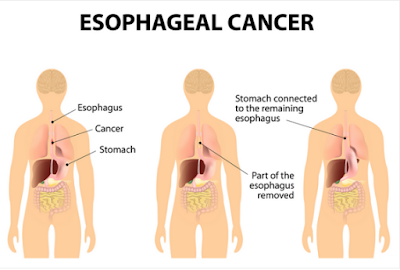
An esophagectomy is a surgical procedure that is commonly used to treat esophageal cancer. Depending on the size and extent of a patient’s tumor, the surgery can be adjusted to remove a part or all of the esophagus, then rebuild a way from a section of the patient’s stomach or large intestine for the food to pass.
esophageal cancer surgery in india

There are two ways that an esophagectomy can be performed: as a traditional (open) surgery and minimally invasive (laparoscopic) procedure. The specific approach that a surgeon selects for a patient will depend on several factors, such as:

•    The size of a tumor
•    The location and accessibility of a tumor
•    The patient’s overall health

Compared to a traditional esophagectomy, a minimally invasive esophagectomy can result in a shorter hospital stay and a shorter overall recovery period, as well as less scarring and a reduced likelihood of complications. However, each patient needs to discuss the potential advantages and outcomes of each approach with an experienced surgical oncologist.

Why is it done?


Esophagectomy is done as a treatment for esophageal cancer; Barrett’s esophagus with high-grade dysplasia (pre-cancerous cells); or for end-stage achalasia (failure of the muscles of the esophagus to relax making it hard to swallow).

How is it done?


esophageal cancer surgery india

There are a few ways to do an esophagectomy. You may have an incision in your neck, abdomen, and/or chest. If it can be done in a minimally invasive fashion with a laparoscope (a small camera) you will have five to seven tiny incisions in your chest and/or abdomen. Your surgeon will discuss with you how the operation will be done and where the incisions will most likely be made.

Most patients can be discharged from the hospital within 7 days of the surgery.

https://www.thegastrosurgeon.com/contact-us
Blog Reviewed By: Dr Patta Radhakrishna
Visit Us : thegastrosurgeon.com
Mail Us: gastrosurgeonchennai@gmail.com
Book An Appointment: thegastrosurgeon.com/book-appointment


Monday, 9 July 2018

Abdominal pain and Appendicitis

Apendicitis is a sudden swelling up of a small tubular organ the size of the little finger found at the junction of small and large intestine. It presents as sudden shooting pain in the right lower abdomen and does not go away. If ignored or self-medicated for the same it may lead to serious consequences.
appendix removal surgery in chennai

It is not still clear what role the appendix plays in the body. It is said to be a vestigial organ  without any useful role. However, some researches confirm that it has some amount of immune function that helps our system to rebalance after any gastrointestinal disease.

Inflammation of this abdominal organ can serious if not treated on time. Sometimes appendix may burst due to high infection and spreads the infection throughout the body.

Though people can experience appendicitis at any age, most of the teenagers among twenties are suffering a lot.

What are the causes of appendicitis?

The exact cause of appendicitis is unknown. However this condition often develops from 2 reasons i.e. gastrointestinal infection that spreads to the appendix and an obstacle that blocks the appendix opening mostly in the form of a small pellet of stool called ‘faecolith’.

appendix removal surgery in chennai

How is appendix diagnosed?

  • Generally, physical and abdominal examination is done to know the exact site of pain 
  • A Blood test will be taken to find out the white blood cells count to assess the infection level
  • A Urine test will determine the presence of any kidney stones/UTI
  • The Pelvic examination will be performed in women
  • If the above tests do not provide the necessary information, CT/MRI will be done
The treatment varies depends on the severity of appendicitis. Most acute cases can be cured with antibiotics whereas some need surgical intervention in the form of laparoscopic surgery.

Dr. Patta Radhakrishna is well known senior Surgical Gastroenterologist and laparoscopic surgeon who has a vast experience in treating appendicitis treatment in India. He is the most sought-after surgeon for appendix removal surgery in Chennai.

contact us

Visit @ www.thegastrosurgeon.com
Mail us: gastrosurgeonchennai@gmail.com
Book appointment: www.thegastrosurgeon.com/book-appointment

Tuesday, 3 April 2018

More About Emergency Abdominal Surgery In Chennai

More patients are admitted to emergency units worldwide with symptoms pertaining to the abdomen than any other part of the body. Most of those symptoms are temporary and can be tackled easily with some medications while some require advanced investigations and surgical treatment. The abdomen has many independent organs and each of them can be involved in different disease processes. Surgical treatment is also varied according to the organ involved and the disease process. Notable organs in the abdomen include liver, gallbladder, pancreas, spleen, stomach, duodenum, small intestine, appendix and large intestine. And one or a combination of these organs can get affected all of a sudden need surgical treatment to set them right.

Candidate for Emergency Abdominal Surgery?

There are many surgical conditions which will require emergency abdominal surgery. This will include acute appendicitis, acute cholecystitis, acute intestinal obstruction, Intestinal perforation and a host of other conditions. Most of these are diagnosed by clinical examination and some require a CAT scan or an ultrasound. If not operated immediately, they may lead to some serious abdominal problems. Presently laparoscopy is the usual method to enter the abdomen and in rare cases like an abdominal injury, a laparotomy (opening the abdomen)is required.

Emergency Abdominal Surgery On Time

Most senior surgeons can easily detect the need for emergency surgery and make arrangements to tackle them right away before it is too late. Any unnecessary delay in diagnosing and treating will cause morbidity and sometimes mortality. Based on symptoms, a patient needs to be seen by someone from the surgical team as soon as the patient is brought to the emergency, a quick resuscitation is done and investigations ordered. Based on the results of those investigations an urgent need for surgery is decided and the patient is wheeled into the operation room.

Dr. Patta Radhakrishna, gastro surgeon in Chennai, and his team have immense experience of over 25 years in dealing with emergency abdominal surgery with excellent results. He keeps himself UpToDate with the latest technology and surgical techniques.
contact us
Visit @ www.thegastrosurgeon.com
Mail us @ gastrosurgeonchennai@gmail.com

Thursday, 14 December 2017

Know more about Gall Bladder Stone Removal

What is gall bladder?


Gall bladder is a pear sized organ that collects and store bile. Bile is a digestive fluid that is produced by the liver. Gall stones are developed in gall bladder and can be removed by performing a common surgery. Dr. P. Radha Krishna is one of best gastro surgeon in Chennai to treat gall stones.


Gall stones are the type of stones that developed in the bile duct or gall bladder. Generally, gall stones are developed after urination. The possibility of developing gall stones increases when high amount of waste products and low amount of water are left in the bladder after urination. Gall stones are basically crystallized minerals.

How many types of gall stones are?


Gall stones are of three types

  • Cholesterol- most frequently appeared due to obesity, pregnancy, rapid loss of weight, crohn’s disease, and high blood triglyceride level.
  • Black pigment- developed due to high destruction of red blood cells.
  • Brown gall stones- occurred due to reduced flow and infection in the bile.


The main cause of developing gall stones are inability to empty bladder fully or making concentrated urine. Enlarge prostate, urinary tract infections and certain bladder problems are responsible for that. Other causes are
  • Weak bladder
  • Urinary or bladder infections
  • Neurogenic bladder
  • Damaged urethra

What are the symptoms of gall stones?


The symptoms of gall stones are
  • Frequently urination
  • Problem in urination
  • Blood in the urine
  • Obstruction in urine flow
  • Pain in lower abdomen
  • Dark colour or cloudy urine

What are the treatment options for gall stones?


Gall bladder stone do not have any permanent type of treatment option. Surgery is the best option to remove gall stones. Treatment plans for removing gall stones are
  • Extracorporeal shockwave lithotripsy (ESWL)
  • Dissolving stones by using drugs made for bile acids
  • Surgery
The Gastro Surgeon, Chennai has excellent facilities to treat gall bladder stones. Dr. P. Radha Krishna is a highly qualified and experienced doctor. He has many years of surgery experience and provides satisfactory services.

For more details,

Mail us: gastrosurgeonchennai@gmail.com

Thursday, 30 November 2017

Bariatric Surgery for Obese and Diabetic Patients

Bariatric Surgery is an option for those who are obese and have not been able to lose enough weight by other methods or have serious obesity-related health problems. The surgery makes the stomach smaller and can alter the small intestine.

Dr. P Radha Krishna is one of the best bariatric surgeons in Chennai. He is a full-time surgical gastroenterologist and laparoscopic surgeon. He consults at SIMS at Chennai. His out of station consultation places includes Guwahati and Dibrugarh.


Types of Bariatric Surgery


There are mainly three types of bariatric operations – gastric band, gastric bypass and gastric sleeve.

Gastric Band: This surgery places an adjustable band around the upper portion of the stomach and hence create a small stomach pouch above the band. The rest of the stomach is below the band

Gastric Bypass: This procedure is carried out with two components. First, a tubular stomach pouch is created by removing a portion of the stomach, similar to the sleeve gastrectomy. Next, a large portion of the small intestine is bypassed.

Gastric Sleeve: The laparoscopic sleeve gastrectomy commonly known as the sleeve is performed by removing approximately 80 percent of the stomach. The remaining stomach is a tubular pouch that resembles a banana.

Bariatric surgery benefits


Health problems related to obesity such as high blood pressure, type 2 diabetes, unhealthy cholesterol levels and sleep apnea can be reduced with the help of this sugery. The quality of life and physical function can be improved by undergoing bariatric surgery.

Potential candidates for Bariatric Surgery


Bariatric surgery may be an option for adults and teens who have severe obesity and obesity-related health problems such as type 2 diabetes, sleep apnea, high blood pressure or heart disease.

Obese people tend to withdraw themselves from the social world and mostly lack confidence at all times due to their physical state. Dr. P. Radhakrisha has transformed the lives of many people by making them confident. He has performed numerous bariatric surgeries. He is one of the leading bariatric surgeons in Chennai.


For more details,
Drop a mail at gastrosurgeonchennai@gmail.com

Friday, 27 October 2017

Pain in the Ass !! How to Cure Anal Fissure ?


Anal fissure is a condition caused by occurring a tear or cut in the anus and which extends upwards into the anal canal.  Anal fissure occurs in anoderm, some specialized tissue that lines the anus and anal canal.  Due to repeated episode of diarrhera and hard stool anal fissure worsens. Pains are severe during bowel movements.
http://www.thegastrosurgeon.com/anal-fissure/


Symptoms of Anal Fissure

  • Itching and irritation around the anus
  • Stool is bright red in color   
  • Anus is surrounded by a visible crack in the skin.
  • Near to the anal fissure there occurs a small lump or skin tag
  • It is better to consult a doctor if you find the presence of blood in stool
  • Pain during bowel movement and presence of stool in the blood is found, need to consult a doctor. 


Anal Fissure Causes


The common causes of anal fissure include passing or hard large stool, childbirth, chronic diarrhea, constipation and straining during bowel movements


Remedies for Anal Fissure

  • Drinking more fluids
  • Eating fibrous food
  • Warm bath (sitz bath )to relax anal muscles.  It relieve pain, itching and irritation
  • Application of topical pain relievers 

http://www.gastrosurgeoncochin.com/anal-fissures.html


Prevention Measures for Anal Fissure

  • Immediate treatment during the occurrence of  diarrhea
  • Changing diapers frequently
  • Keeping anal area dry
  • Consumption of fibrous food


Anal Fissure Diagnosis and Evaluation


A fissure can be diagnosed by a careful examination of the anus.  After the application of a topical anesthetic to the anus a vigorous examination can  be done.  A tag of skin at the end of the anus reveals a chronic case of fissure.  An endoscopic evaluation can be done if there is rectal bleeding.  Colonoscopy, sigmoidoscopy, upper gastrointestinal and small intestinal x-rays are also suggested for the diagnosis and evaluation.

Diseases of intestine, bile duct, liver and pancreas come under the department of Gasteroenterology. Gastroenterology department of SIMS offers best Surgical Gastroenterologist and Laparoscopic services. A team of qualified doctors are behind the success of the hospital. SIMS is the best anal fissure surgery hospital with the best Anal Fissure Surgeon in Chennai.


For more details, 

Drop a mail at gastrosurgeonchennai@gmail.com

'Pancreatic cancer is stealthy. Strikes with little warning'

By the time the ailing Nigerian, Sun Igho, could reach India, he had lost precious time. The cancer was no more operable. The only thing lef...