Wednesday, 23 October 2019

What To Know About Chronic Pancreatitis?

The pancreas is the most hardworking organ in the human body. It plays a significant role in your digestion process. It makes enzymes that help your digestive process and insulin to keep your blood sugar levels under control. Any inflammation, fibrosis, or scarring of the pancreas will develop a condition called pancreatitis. 


What is pancreatitis?


Pancreatitis is a disease in which the pancreas becomes inflamed or damaged. This is when the digestive enzymes are activated before they are released into the small intestine and begin attacking the pancreas. Pancreatitis can become a chronic problem. Treatment for this condition varies depending on whether your pancreatitis is acute or chronic. 

Acute pancreatitis is a sudden inflammation of your pancreas, which can be very painful. You may have nausea, vomiting, and fever. If acute pancreatitis slowly gets worse,It may lead to chronic pancreatitis.

What is chronic pancreatitis?


Chronic pancreatitis is an irreversible and progressive disorder of the pancreas caused by an inflammation that constantly occurs over the long haul. Chronic pancreatitis can create permanent damage to the pancreas. Scar tissue develops from this long-term inflammation.

What causes chronic pancreatitis?


If you have chronic pancreatitis, the digestive enzymes that would normally travel by tubes inside your pancreas and empty into your upper intestine, become trapped inside your pancreas, this causes pain and scarring. The trapped enzymes slowly destroy your pancreas.

The most common cause of chronic pancreatitis is drinking too much alcohol over many years. 

 Other causes include:
  • An attack of acute pancreatitis that damages your pancreatic ducts
  • A blockage of the main pancreatic duct caused by cancer 
  • Certain autoimmune disorders
  • Cystic fibrosis
  • Hereditary diseases of the pancreas
  • Smoking
  • Unknown cause in some cases 

How to diagnose?


If pancreatitis is suspected, It is best diagnosed with tests that can evaluate the structure of the pancreas via radiography. Your doctor will likely use a combination of blood tests and imaging studies to make a diagnosis. 

Computed tomography is the best imaging modality for diagnosis. Your doctor may recommend a variety of diagnostic tests such as; Transabdominal ultrasound, Endoscopic ultrasound, and Magnetic resonance cholangiopancreatography (MRCP).

How is chronic pancreatitis treated?


Day-to-day treatment includes: 
  • Pain medicine
  • Pancreatic enzyme supplements with every meal
  • Insulin, if you develop diabetes
  • Vitamin supplements, if needed
For acute pancreatitis or a flare-up, you may need to stay in the hospital for treatment. Your exact treatment will depend on the cause of your chronic pancreatitis, how severe the symptoms are, and your physical condition. 

Acute treatments may include:
  • Feeding through a tube through the nose into the stomach
  • Diet
  • IV fluids
  • Pain medicines
  • Surgery 

You can control pancreatitis with a healthy lifestyle and medical treatment when necessary. Organizations such as the SIMS hospital can provide resources and support to help you live a full and healthy life with pancreatitis.

However, if any of your symptoms reappear, speak with your doctor as soon as possible.


Blog Reviewed By: Dr Patta Radhakrishna
Mail Us: gastrosurgeonchennai@gmail.com

Wednesday, 9 October 2019

Post-Surgery Care After Hernia Surgery

Hernia repair surgery is commonly performed either through a laparoscope or through traditional open surgery techniques. Modern hernia surgery repair techniques are less invasive. The recovery rates are faster than the conventional methods with the least discomfort, making less recurrence rate. The patient can expect a faster discharge from the hospital.

hernia repair surgery in chennai

The recovery period after hernia surgery:


After hernia repair surgery, the patient is kept in the postanesthesia care unit (PACU) for close monitoring. They will remain there until they are stable. The amount of time spent in the PACU depends on the patient's progress and on the type of anesthesia they had received.

Post-Operative Care And Recovery

  • Immediately after surgery: After leaving the post-anesthesia unit, the patient is shifted to the daycare department. The patient is discharged after a few hours.
  • There will be negligible pain at the operated site because of pre-emptive analgesia and TAP block.

First Week Do’s And Don’ts


Following are some of the tips that can help to prevent infection, promote healing, and avoid weight gain.

  • Depending on wound healing, you can take the patient to shower within a day or two.
  • Make sure the patient does not strain abdominal muscles while walking. However, an ideal level of strain can improve circulation.
  • Plan a diet rich in fruits, vegetables, and fiber along with a lot of fluids. This keeps constipation at bay. If the patient is straining that results due to inactivity seek immediate doctor's help. Physicians may prescribe laxatives or stool softeners to avoid
  • Depending on the recovery you will need to consult your physician before resuming driving.
  • Some people resume work within a week; however, it allows the patient to take adequate rest. Depending on the type of surgery, a physician can suggest when a patient should resume work.
  • It may take a few weeks for the patients to get back to playing sports. Always remember to seek physician advice before resuming playing any kind of sports.
https://www.thegastrosurgeon.com/daycare-hernia-repair

Tips For A Speedy Recovery

  • Ensure that a relative or family stays with the patient after surgery. This will help the patient as he/she is physically restricted to do many things.
  • Keep a pillow next to the patient so that in case he/she needs to cough, sneeze, or vomit, he/she can press it against the abdomen. This helps to prevent excessive strain on abdominal muscles.
  • Reduce using stairs as it may be physically exhausting to climb up and down.
  • Be aware of all the potential complications post-surgery. This enables you to call your doctor immediately if you notice any.
  • Be consistent in all your follow-ups with your doctor for your safety and the success of your surgery.

Most doctors ask their patients to return in about a week for a follow-up visit. At this time, all stitches will be removed.
https://www.thegastrosurgeon.com/contact-us

Blog Reviewed By: Dr Patta Radhakrishna
Visit Us : thegastrosurgeon.com
Mail Us: gastrosurgeonchennai@gmail.com
Book An Appointment: thegastrosurgeon.com/book-appointment

Wednesday, 25 September 2019

Why Esophageal Surgery Is Done?

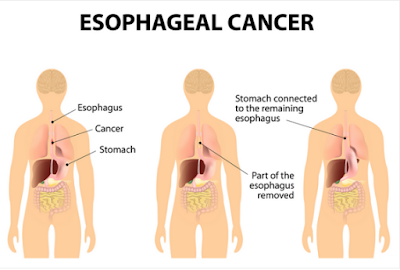
An esophagectomy is a surgical procedure that is commonly used to treat esophageal cancer. Depending on the size and extent of a patient’s tumor, the surgery can be adjusted to remove a part or all of the esophagus, then rebuild a way from a section of the patient’s stomach or large intestine for the food to pass.
esophageal cancer surgery in india

There are two ways that an esophagectomy can be performed: as a traditional (open) surgery and minimally invasive (laparoscopic) procedure. The specific approach that a surgeon selects for a patient will depend on several factors, such as:

•    The size of a tumor
•    The location and accessibility of a tumor
•    The patient’s overall health

Compared to a traditional esophagectomy, a minimally invasive esophagectomy can result in a shorter hospital stay and a shorter overall recovery period, as well as less scarring and a reduced likelihood of complications. However, each patient needs to discuss the potential advantages and outcomes of each approach with an experienced surgical oncologist.

Why is it done?


Esophagectomy is done as a treatment for esophageal cancer; Barrett’s esophagus with high-grade dysplasia (pre-cancerous cells); or for end-stage achalasia (failure of the muscles of the esophagus to relax making it hard to swallow).

How is it done?


esophageal cancer surgery india

There are a few ways to do an esophagectomy. You may have an incision in your neck, abdomen, and/or chest. If it can be done in a minimally invasive fashion with a laparoscope (a small camera) you will have five to seven tiny incisions in your chest and/or abdomen. Your surgeon will discuss with you how the operation will be done and where the incisions will most likely be made.

Most patients can be discharged from the hospital within 7 days of the surgery.

https://www.thegastrosurgeon.com/contact-us
Blog Reviewed By: Dr Patta Radhakrishna
Visit Us : thegastrosurgeon.com
Mail Us: gastrosurgeonchennai@gmail.com
Book An Appointment: thegastrosurgeon.com/book-appointment


Monday, 9 July 2018

Abdominal pain and Appendicitis

Apendicitis is a sudden swelling up of a small tubular organ the size of the little finger found at the junction of small and large intestine. It presents as sudden shooting pain in the right lower abdomen and does not go away. If ignored or self-medicated for the same it may lead to serious consequences.
appendix removal surgery in chennai

It is not still clear what role the appendix plays in the body. It is said to be a vestigial organ  without any useful role. However, some researches confirm that it has some amount of immune function that helps our system to rebalance after any gastrointestinal disease.

Inflammation of this abdominal organ can serious if not treated on time. Sometimes appendix may burst due to high infection and spreads the infection throughout the body.

Though people can experience appendicitis at any age, most of the teenagers among twenties are suffering a lot.

What are the causes of appendicitis?

The exact cause of appendicitis is unknown. However this condition often develops from 2 reasons i.e. gastrointestinal infection that spreads to the appendix and an obstacle that blocks the appendix opening mostly in the form of a small pellet of stool called ‘faecolith’.

appendix removal surgery in chennai

How is appendix diagnosed?

  • Generally, physical and abdominal examination is done to know the exact site of pain 
  • A Blood test will be taken to find out the white blood cells count to assess the infection level
  • A Urine test will determine the presence of any kidney stones/UTI
  • The Pelvic examination will be performed in women
  • If the above tests do not provide the necessary information, CT/MRI will be done
The treatment varies depends on the severity of appendicitis. Most acute cases can be cured with antibiotics whereas some need surgical intervention in the form of laparoscopic surgery.

Dr. Patta Radhakrishna is well known senior Surgical Gastroenterologist and laparoscopic surgeon who has a vast experience in treating appendicitis treatment in India. He is the most sought-after surgeon for appendix removal surgery in Chennai.

contact us

Visit @ www.thegastrosurgeon.com
Mail us: gastrosurgeonchennai@gmail.com
Book appointment: www.thegastrosurgeon.com/book-appointment

Tuesday, 3 April 2018

More About Emergency Abdominal Surgery In Chennai

More patients are admitted to emergency units worldwide with symptoms pertaining to the abdomen than any other part of the body. Most of those symptoms are temporary and can be tackled easily with some medications while some require advanced investigations and surgical treatment. The abdomen has many independent organs and each of them can be involved in different disease processes. Surgical treatment is also varied according to the organ involved and the disease process. Notable organs in the abdomen include liver, gallbladder, pancreas, spleen, stomach, duodenum, small intestine, appendix and large intestine. And one or a combination of these organs can get affected all of a sudden need surgical treatment to set them right.

Candidate for Emergency Abdominal Surgery?

There are many surgical conditions which will require emergency abdominal surgery. This will include acute appendicitis, acute cholecystitis, acute intestinal obstruction, Intestinal perforation and a host of other conditions. Most of these are diagnosed by clinical examination and some require a CAT scan or an ultrasound. If not operated immediately, they may lead to some serious abdominal problems. Presently laparoscopy is the usual method to enter the abdomen and in rare cases like an abdominal injury, a laparotomy (opening the abdomen)is required.

Emergency Abdominal Surgery On Time

Most senior surgeons can easily detect the need for emergency surgery and make arrangements to tackle them right away before it is too late. Any unnecessary delay in diagnosing and treating will cause morbidity and sometimes mortality. Based on symptoms, a patient needs to be seen by someone from the surgical team as soon as the patient is brought to the emergency, a quick resuscitation is done and investigations ordered. Based on the results of those investigations an urgent need for surgery is decided and the patient is wheeled into the operation room.

Dr. Patta Radhakrishna, gastro surgeon in Chennai, and his team have immense experience of over 25 years in dealing with emergency abdominal surgery with excellent results. He keeps himself UpToDate with the latest technology and surgical techniques.
contact us
Visit @ www.thegastrosurgeon.com
Mail us @ gastrosurgeonchennai@gmail.com

Thursday, 14 December 2017

Know more about Gall Bladder Stone Removal

What is gall bladder?


Gall bladder is a pear sized organ that collects and store bile. Bile is a digestive fluid that is produced by the liver. Gall stones are developed in gall bladder and can be removed by performing a common surgery. Dr. P. Radha Krishna is one of best gastro surgeon in Chennai to treat gall stones.


Gall stones are the type of stones that developed in the bile duct or gall bladder. Generally, gall stones are developed after urination. The possibility of developing gall stones increases when high amount of waste products and low amount of water are left in the bladder after urination. Gall stones are basically crystallized minerals.

How many types of gall stones are?


Gall stones are of three types

  • Cholesterol- most frequently appeared due to obesity, pregnancy, rapid loss of weight, crohn’s disease, and high blood triglyceride level.
  • Black pigment- developed due to high destruction of red blood cells.
  • Brown gall stones- occurred due to reduced flow and infection in the bile.


The main cause of developing gall stones are inability to empty bladder fully or making concentrated urine. Enlarge prostate, urinary tract infections and certain bladder problems are responsible for that. Other causes are
  • Weak bladder
  • Urinary or bladder infections
  • Neurogenic bladder
  • Damaged urethra

What are the symptoms of gall stones?


The symptoms of gall stones are
  • Frequently urination
  • Problem in urination
  • Blood in the urine
  • Obstruction in urine flow
  • Pain in lower abdomen
  • Dark colour or cloudy urine

What are the treatment options for gall stones?


Gall bladder stone do not have any permanent type of treatment option. Surgery is the best option to remove gall stones. Treatment plans for removing gall stones are
  • Extracorporeal shockwave lithotripsy (ESWL)
  • Dissolving stones by using drugs made for bile acids
  • Surgery
The Gastro Surgeon, Chennai has excellent facilities to treat gall bladder stones. Dr. P. Radha Krishna is a highly qualified and experienced doctor. He has many years of surgery experience and provides satisfactory services.

For more details,

Mail us: gastrosurgeonchennai@gmail.com

Thursday, 30 November 2017

Bariatric Surgery for Obese and Diabetic Patients

Bariatric Surgery is an option for those who are obese and have not been able to lose enough weight by other methods or have serious obesity-related health problems. The surgery makes the stomach smaller and can alter the small intestine.

Dr. P Radha Krishna is one of the best bariatric surgeons in Chennai. He is a full-time surgical gastroenterologist and laparoscopic surgeon. He consults at SIMS at Chennai. His out of station consultation places includes Guwahati and Dibrugarh.


Types of Bariatric Surgery


There are mainly three types of bariatric operations – gastric band, gastric bypass and gastric sleeve.

Gastric Band: This surgery places an adjustable band around the upper portion of the stomach and hence create a small stomach pouch above the band. The rest of the stomach is below the band

Gastric Bypass: This procedure is carried out with two components. First, a tubular stomach pouch is created by removing a portion of the stomach, similar to the sleeve gastrectomy. Next, a large portion of the small intestine is bypassed.

Gastric Sleeve: The laparoscopic sleeve gastrectomy commonly known as the sleeve is performed by removing approximately 80 percent of the stomach. The remaining stomach is a tubular pouch that resembles a banana.

Bariatric surgery benefits


Health problems related to obesity such as high blood pressure, type 2 diabetes, unhealthy cholesterol levels and sleep apnea can be reduced with the help of this sugery. The quality of life and physical function can be improved by undergoing bariatric surgery.

Potential candidates for Bariatric Surgery


Bariatric surgery may be an option for adults and teens who have severe obesity and obesity-related health problems such as type 2 diabetes, sleep apnea, high blood pressure or heart disease.

Obese people tend to withdraw themselves from the social world and mostly lack confidence at all times due to their physical state. Dr. P. Radhakrisha has transformed the lives of many people by making them confident. He has performed numerous bariatric surgeries. He is one of the leading bariatric surgeons in Chennai.


For more details,
Drop a mail at gastrosurgeonchennai@gmail.com

'Pancreatic cancer is stealthy. Strikes with little warning'

By the time the ailing Nigerian, Sun Igho, could reach India, he had lost precious time. The cancer was no more operable. The only thing lef...